
Virginia Arrest Records, Not Images
A well-known arrest leaves a trail of records: the booking photo, a jail entry, charging papers, a court docket, and a final order from a judge. Each one answers a different question. The photo only proves an intake happened. The docket shows how the case ended. Treating the image as the whole story skips the most important part, the outcome a court actually entered.
Virginia law takes a clear position on the photos themselves. An adult routine intake photograph held by a qualifying law-enforcement public body is a record that must be provided on request. A felony-investigation exception applies. The statute demands nothing be posted proactively. A copy floating around a news story may not match the original government file. Read Virginia Code § 2.2-3706 for the full rule on adult intake photographs and its stated exception.
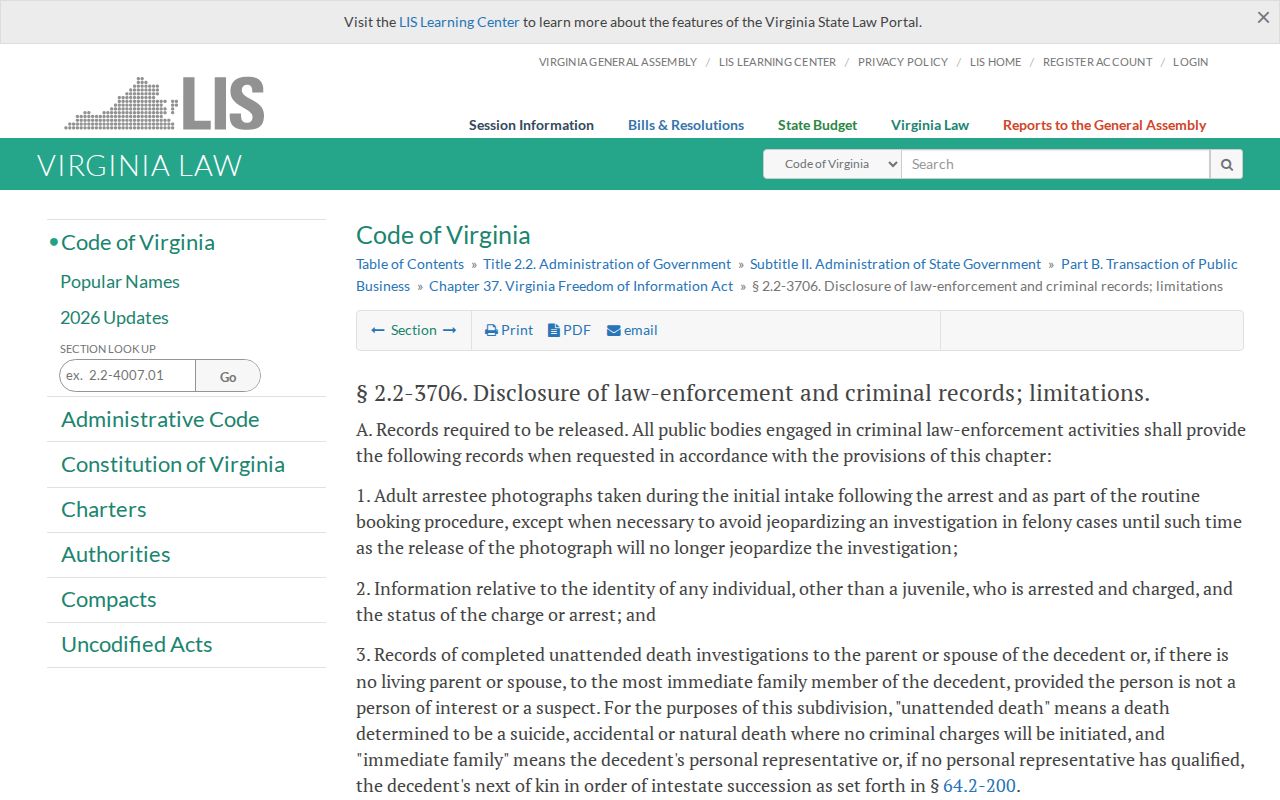
The code page covers categories and access rules. It holds no gallery and no case files.
Note: An intake photograph records a booking event; the court file supplies the later charge history and disposition.
Notable Virginia Arrest Cases
Virginia has seen plenty of arrests that made national news. Each one ended differently. The table lists eight documented cases from the statewide set. The outcome is stated up front. Some ended in dismissed charges; others brought pardons or federal proceedings.
| Case and year | Documented disposition | Where the original record is routed |
|---|---|---|
| Earl Washington Jr., Fauquier/Culpeper, 1980s | Convicted in a capital case; Governor James Gilmore pardoned him on October 2, 2000, based on after-discovered DNA evidence and reasonable doubt. | Virginia court materials and the Fauquier/Culpeper-area arresting agency or State Police custodian; no stable official online booking-photo file was located. |
| Michael Vick, 2007 | He pleaded guilty in the federal dogfighting conspiracy case and received a 23-month sentence. | Eastern District of Virginia docket and judgment; a booking image request goes to the responsible federal booking or USMS custodian. |
| George Huguely V, 2010 | Convicted of second-degree murder and sentenced to 23 years in 2012. | Charlottesville Circuit Court for the case; Charlottesville Police or the regional detention system for the arrest record. |
| Jesse Matthew Jr., 2014-2016 | He pleaded guilty to the first-degree murders and abductions of Hannah Graham and Morgan Harrington and received four consecutive life sentences; the separate Fairfax prosecution also resulted in life sentences. | Charlottesville and Fairfax Circuit Court files; the original booking image is requested from the arresting or holding agency. |
| James Alex Fields Jr., 2017 | The Virginia case resulted in convictions and a life sentence; the federal hate-crimes case ended in a guilty plea and life imprisonment. | Charlottesville Police and the relevant Virginia court for state records; Western District of Virginia and USMS for federal records. |
| Paul Manafort, 2018 | He was indicted, convicted, and sentenced in the Eastern District of Virginia, then received a full and unconditional presidential pardon. | Eastern District of Virginia docket and judgment; ask the federal custodian about any booking image. |
| William Morva, 2006 | He was convicted of capital murder and related offenses, sentenced to death, and executed in 2017. | Montgomery County Circuit Court and Virginia appellate records; the local detention or law-enforcement custodian for booking material. |
| Martese Johnson, 2015 | The Charlottesville General District Court accepted the Commonwealth's motion to dismiss all charges. | Charlottesville General District Court for the disposition; ABC and State Police records for the arrest and investigation. |
These record routes do different jobs. A court file gives the charges and the result, while a jail or agency file may hold the original booking image. A public database can point to a docket, but older records may still need a clerk's confirmation.
Note: A name match is only a search lead; confirm the court, locality, and case number before connecting records.
Virginia Court Dispositions Matter
Earl Washington's case is the clearest lesson here. An old arrest image can never stand in for the court history. Virginia legal materials describe his capital conviction. They also describe the pardon Governor Gilmore issued on October 2, 2000, based on after-discovered DNA evidence and reasonable doubt. The appellate material is only a starting point. The local arrest file and State Police records are separate requests. No stable official online booking-photo file exists for the case.
Martese Johnson's 2015 arrest by Virginia ABC agents outside the University of Virginia became a public flash point. Images of his injuries spread widely. Contemporary reporting said the Virginia State Police investigation was complete. The Charlottesville General District Court then accepted the Commonwealth's motion to dismiss all charges. That dismissal belongs in any honest account of the arrest. The investigation report and the court entry remain distinct records.
George Huguely V traveled a different road entirely. The Virginia Court of Appeals states he was convicted of second-degree murder. He was sentenced to 23 years in 2012. The court opinion and the Charlottesville Circuit Court file fix the result. For arrest and booking material, Charlottesville Police or the regional detention system is the likely custodian.
Virginia's sealing overview covers automatic and petition-based paths. They began July 1, 2026, and can close off public access to covered records. Sealing has limits, though. A government record may be sealed while a private copy sits elsewhere, and sealing never replaces a court disposition.
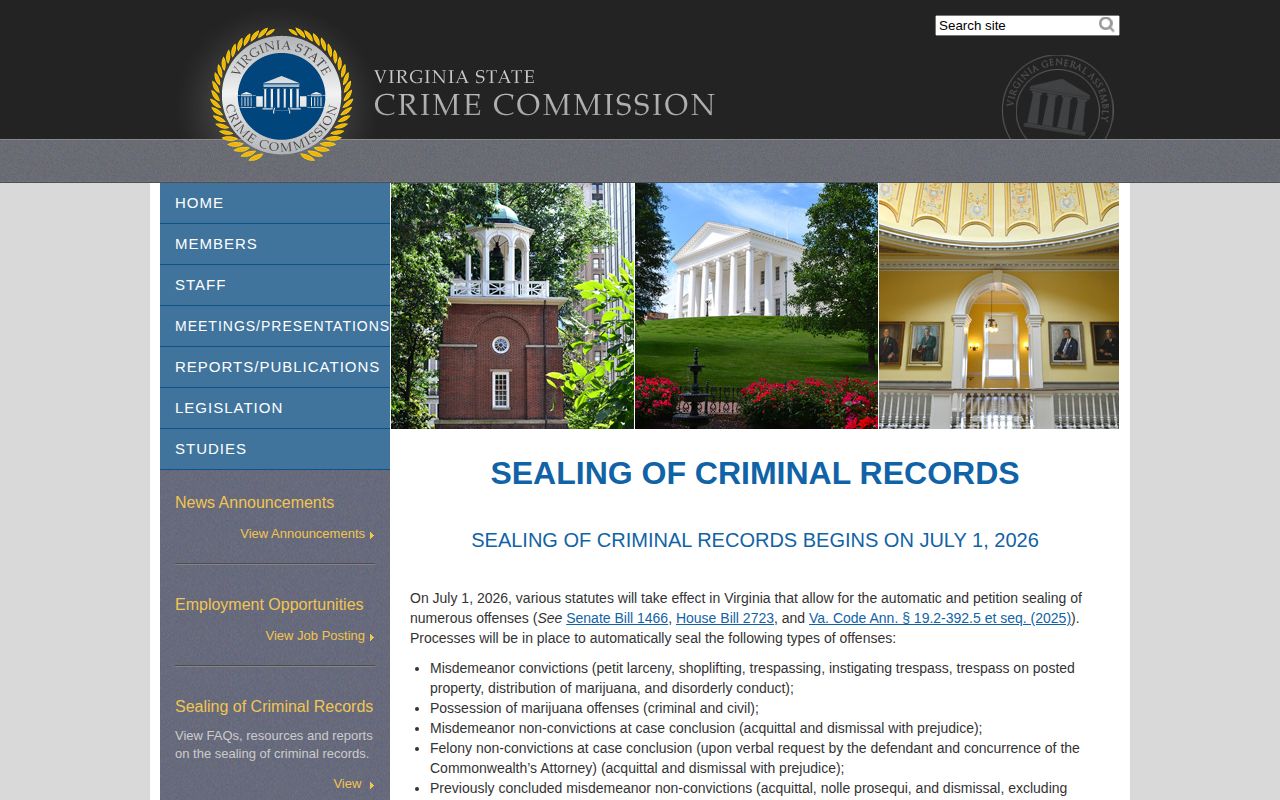
A search that returns nothing proves little by itself. Ask the clerk which access rule applies before concluding no case ever existed.
Federal Virginia Case Records
Plenty of famous Virginia cases actually belong to the federal system. Those dockets live in different places. Michael Vick's 2007 dogfighting-conspiracy prosecution ended with a guilty plea. The federal sentence ran 23 months. The Eastern District of Virginia docket holds every key filing. That includes the indictment, the plea, the judgment, and the sentencing record. A news photo replaces none of that.
Paul Manafort faced the Eastern District of Virginia in 2018. The Special Counsel archive records his indictment, conviction, and sentence. The Office of the Pardon Attorney holds that record. It documents his later full and unconditional presidential pardon. That pardon is part of the case history and belongs beside the earlier court result.
James Alex Fields Jr. went through both systems. He drove into a crowd at the August 12, 2017 Unite the Right rally in Charlottesville. The attack killed Heather Heyer and injured others. The Commonwealth case brought convictions and a life sentence. Federal court followed with guilty pleas to hate-crime charges and another life term. The federal indictment and sentencing release document that side. Charlottesville Police and Virginia courts hold the state record path.
The Federal Bureau of Prisons locator answers a different question. It shows where a person sits in federal custody. The locator is separate from the court docket and carries no public photo field.
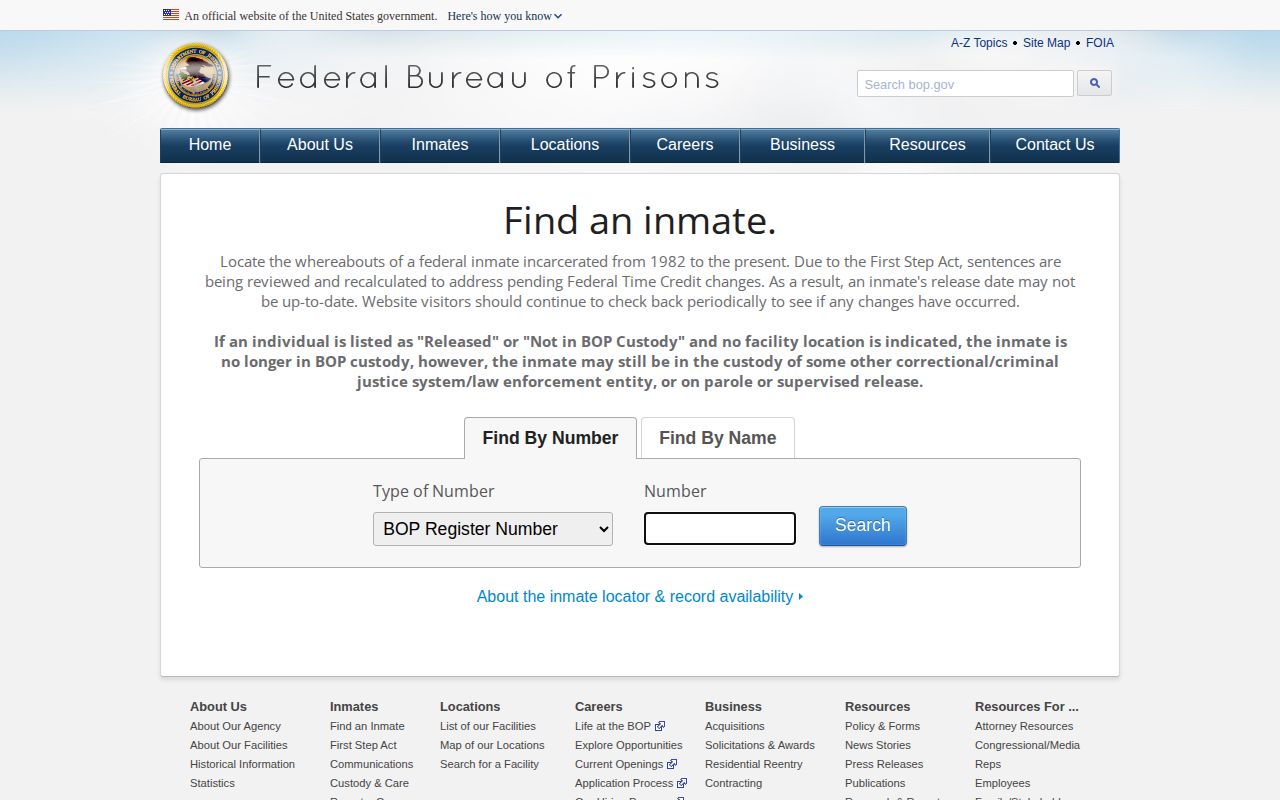
A locator settles current custody and nothing else. The official court file still records the completed prosecution.
Note: Federal custody locators and court dockets answer different questions, even when both refer to the same prosecution.
Virginia Cases Across Jurisdictions
Jesse Matthew Jr. surfaced in Texas, where police arrested him in 2014 during the investigation into Hannah Graham's disappearance. His Virginia record touches two jurisdictions. Charlottesville and Fairfax each hold files. Under a public plea agreement he admitted first-degree murder and abduction in the deaths of Graham and Morgan Harrington, drawing four consecutive life sentences. Fairfax pursued a separate 2005 sexual-assault case. That prosecution added its own life terms. Check the two court files separately. Any booking image rests with the arresting or holding agency, not a combined case summary.
William Morva's sequence is equally direct. He escaped custody in 2006. A manhunt through the New River Valley ended with his capture, and convictions for capital murder and related offenses brought a death sentence carried out in 2017. The Virginia Supreme Court opinion and the Montgomery County Circuit Court file trace the court path. A booking image comes from the local detention or law-enforcement custodian.
VADOC's offender locator is a different animal. It covers state-prison custody and supervision, not a county booking event, and its public search shows no general photo field. View the VADOC public locator fields to see the scope of its search.
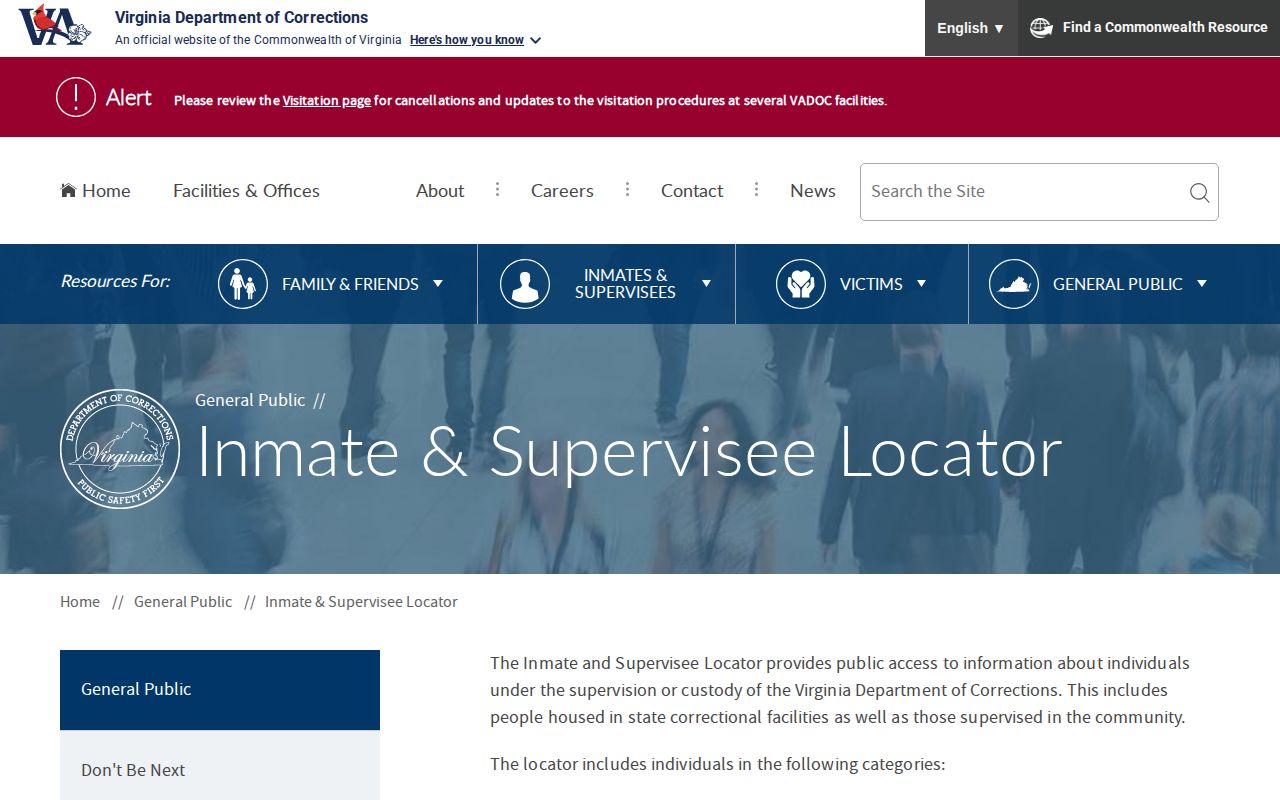
Use VADOC for custody and supervision only. The original arrest photo, if held and releasable, belongs to the arresting or holding custodian.
Look Up a Virginia Arrest Record
Any Virginia arrest follows this source order. First pin down the event you need: a booking, a court case, a state-prison term, or a federal prosecution. Then request the record from whichever office created or now keeps it.
- For a current local booking, identify the county or city where the arrest took place, then check that locality's official roster or feed.
- For the arresting agency's image or booking record, use its official records path. Virginia law provides access on request for qualifying adult routine intake photos, subject to the felony-investigation exception.
- For the charge and final outcome, use the court-information entry point or contact the clerk for the court and locality shown in the record.
- For a state-prison custody question, use the VADOC locator. For federal custody, use the BOP locator; federal case filings remain with the federal court.
- For older material, ask whether the record remains with the agency or jail, moved to the Library of Virginia, or was destroyed under its schedule.
Start with the Virginia statewide search page. It maps the current roster, booking-feed, and request paths. For a known older state collection, the Old Mugshot Archives page covers the Library of Virginia's finding aids and request steps.
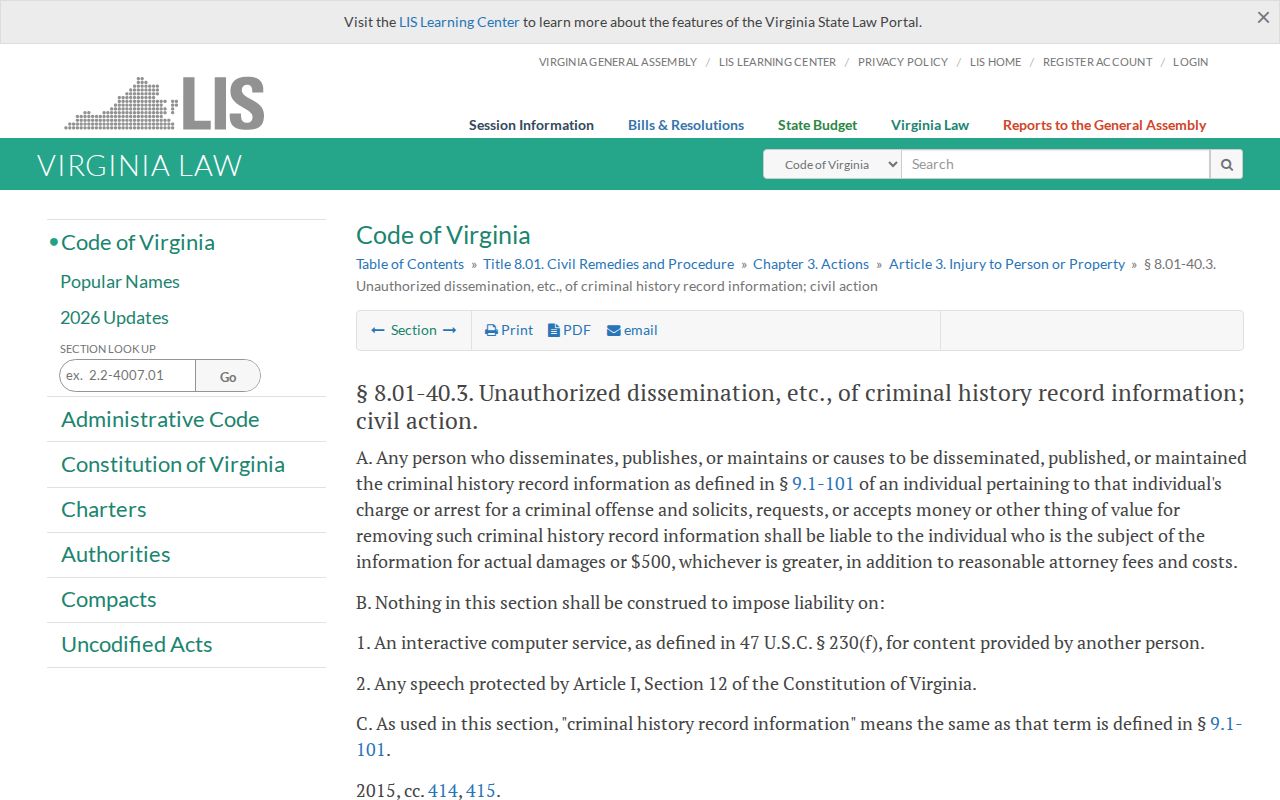
Virginia Code § 8.01-40.3 targets a specific tactic. It applies when someone demands money or another thing of value to remove criminal-history information about an arrest or charge. The law creates a civil remedy in defined circumstances. It also sets limits for service providers and protects certain speech. It is no general ban on publication. Read Virginia Code § 8.01-40.3 for the civil-remedy language and its limits.
The statute shapes removal demands, not the disposition of any case above.